Grid-connect vs off-grid - which is right for your property?
What's the difference?
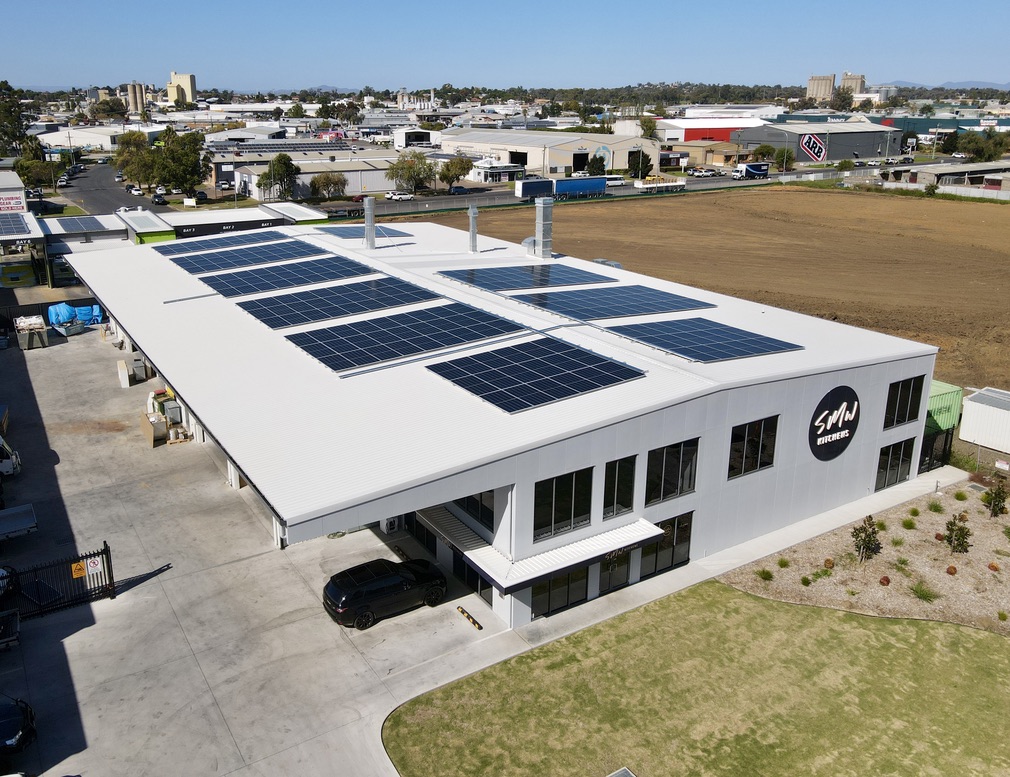
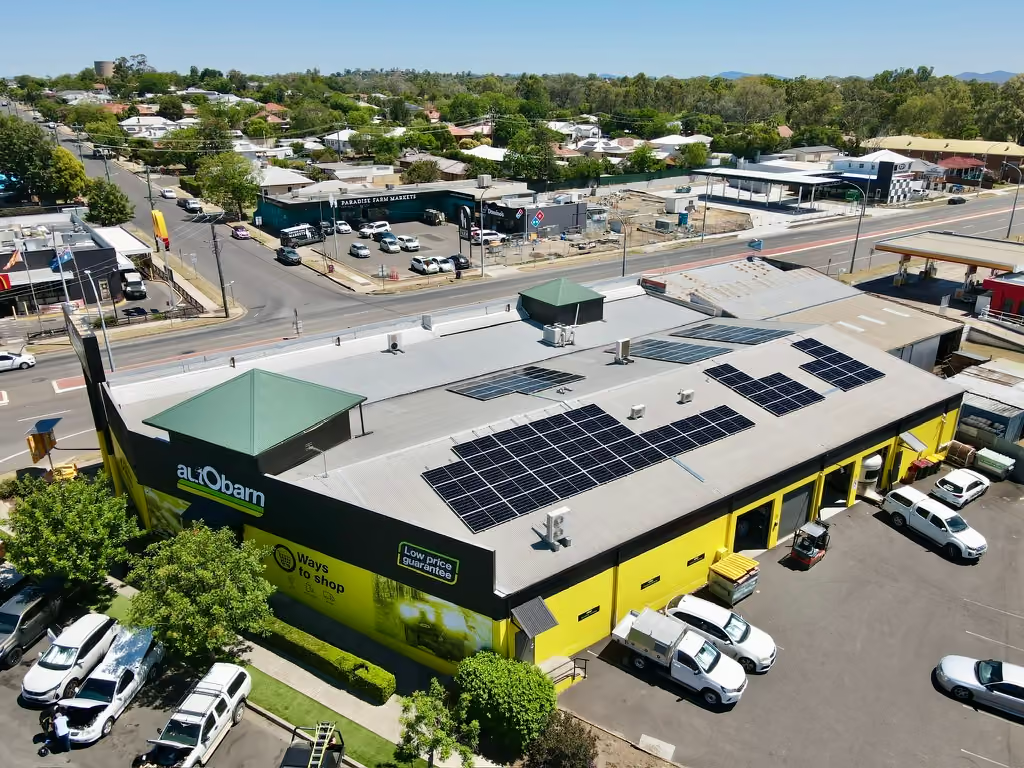
Grid-connect solar is what most homes have. Your panels power the house during the day, any spare energy goes to the grid, and you draw from the grid when you need more. You can add a battery to store your own solar for later.
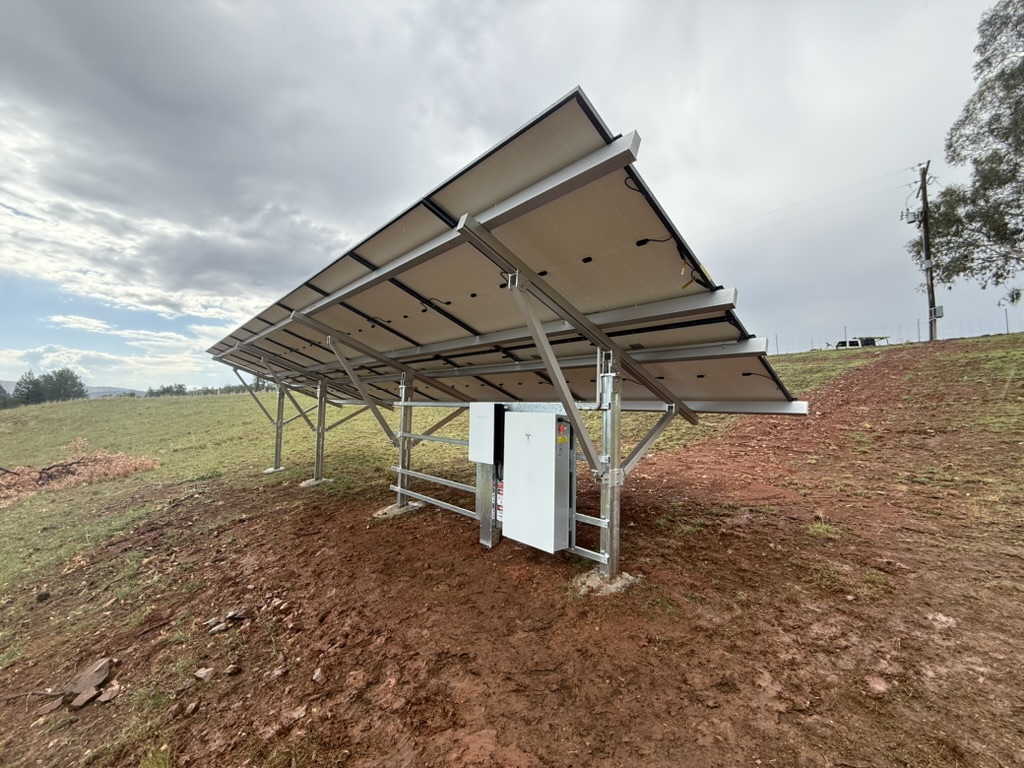
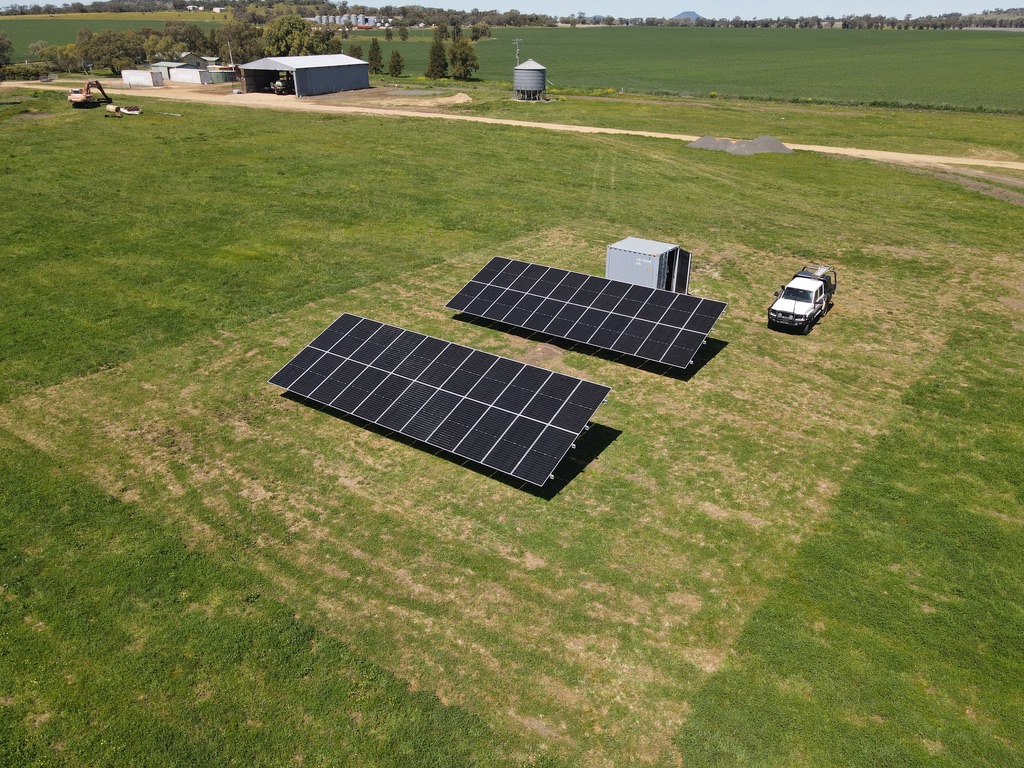
Off-grid solar means your property isn't connected to the electricity network at all. Your solar panels, batteries and usually a backup generator provide all your power, all year round.
When grid-connect makes sense
- You're already connected. For most homes in town or on properties with an existing connection, staying on the grid is the simplest and most affordable option.
- You want the lowest upfront cost. A grid-connect system doesn't need to cover every day of the year on its own, so it can be smaller.
- You want access to rebates and credits. Grid-connected batteries may qualify for extra incentives like the NSW virtual power plant incentive, and you'll earn feed-in credits for exported power.
When off-grid makes sense
- Connecting to the grid is expensive. On rural blocks, running new power lines a long way from the nearest pole can cost more than a complete off-grid system. It's always worth getting a quote for both.
- You're dealing with frequent outages. Properties at the end of long rural lines can see regular blackouts. An off-grid system puts reliability in your own hands.
- You want energy independence. No power bills and no exposure to network price rises.
- You're powering a shed, pump or remote building. Smaller stand-alone systems work well for sites away from the main house.
The trade-offs of going off-grid
Off-grid living is great, but it pays to go in with eyes open:
- Higher upfront cost. The system needs enough panels and battery storage to get you through cloudy winter stretches, not just sunny summer days.
- Planning around your usage. Your system is sized to your needs, so big new loads like air conditioning, electric hot water or workshops need to be factored in.
- Backup generator. Most off-grid systems include one for extended periods of bad weather.
- Ongoing maintenance. Batteries and generators need regular checks to keep everything running reliably.
There's a middle ground
If you're on the grid but want better reliability, a grid-connect system with a battery and backup capability can keep essentials running during outages while still giving you the safety net of the grid. For many rural homes, this hybrid approach is the sweet spot.
Getting the design right
With off-grid in particular, a well-designed system is everything. We start by understanding how you use power across the seasons, including pumps, stock water, workshops and household appliances, then design a system that can handle it reliably. We design and install off-grid systems for rural properties across Tamworth, Gunnedah, Armidale and the surrounding region.